Production and feed-in.
Biomethane combines climate neutrality with security of supply and resilience
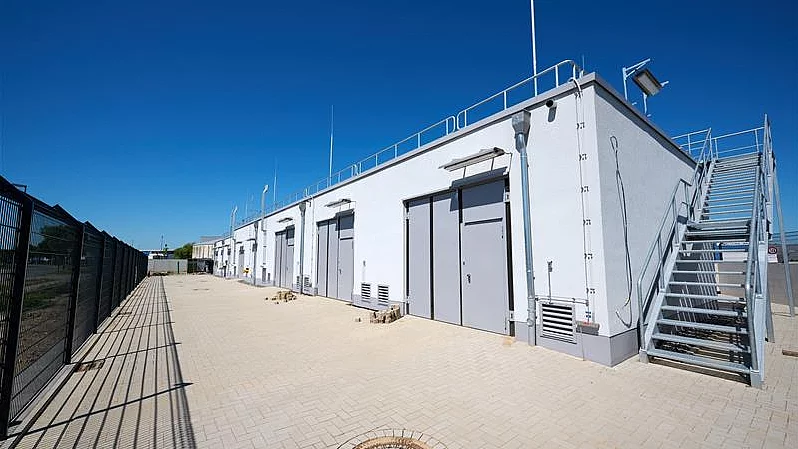
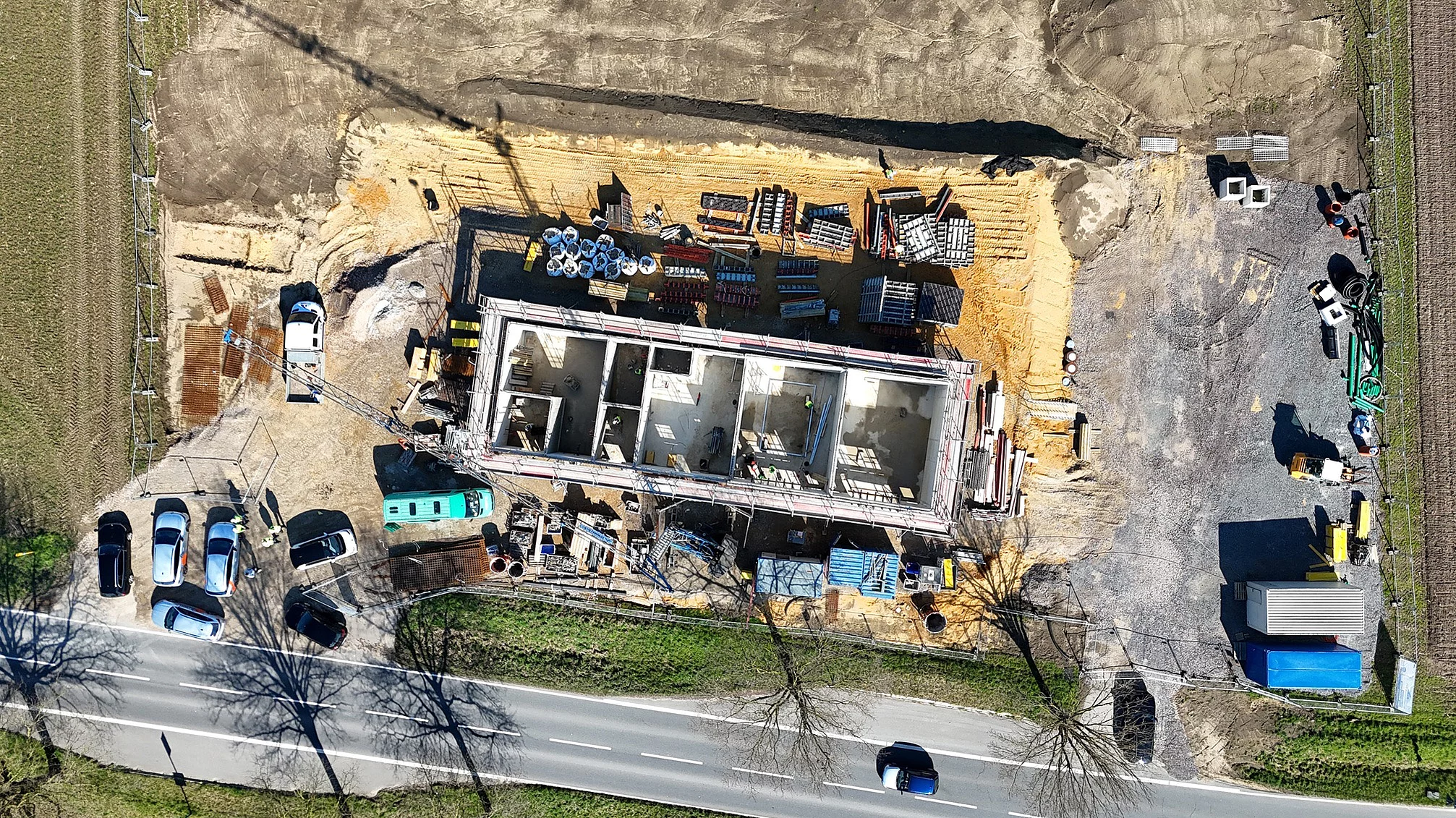
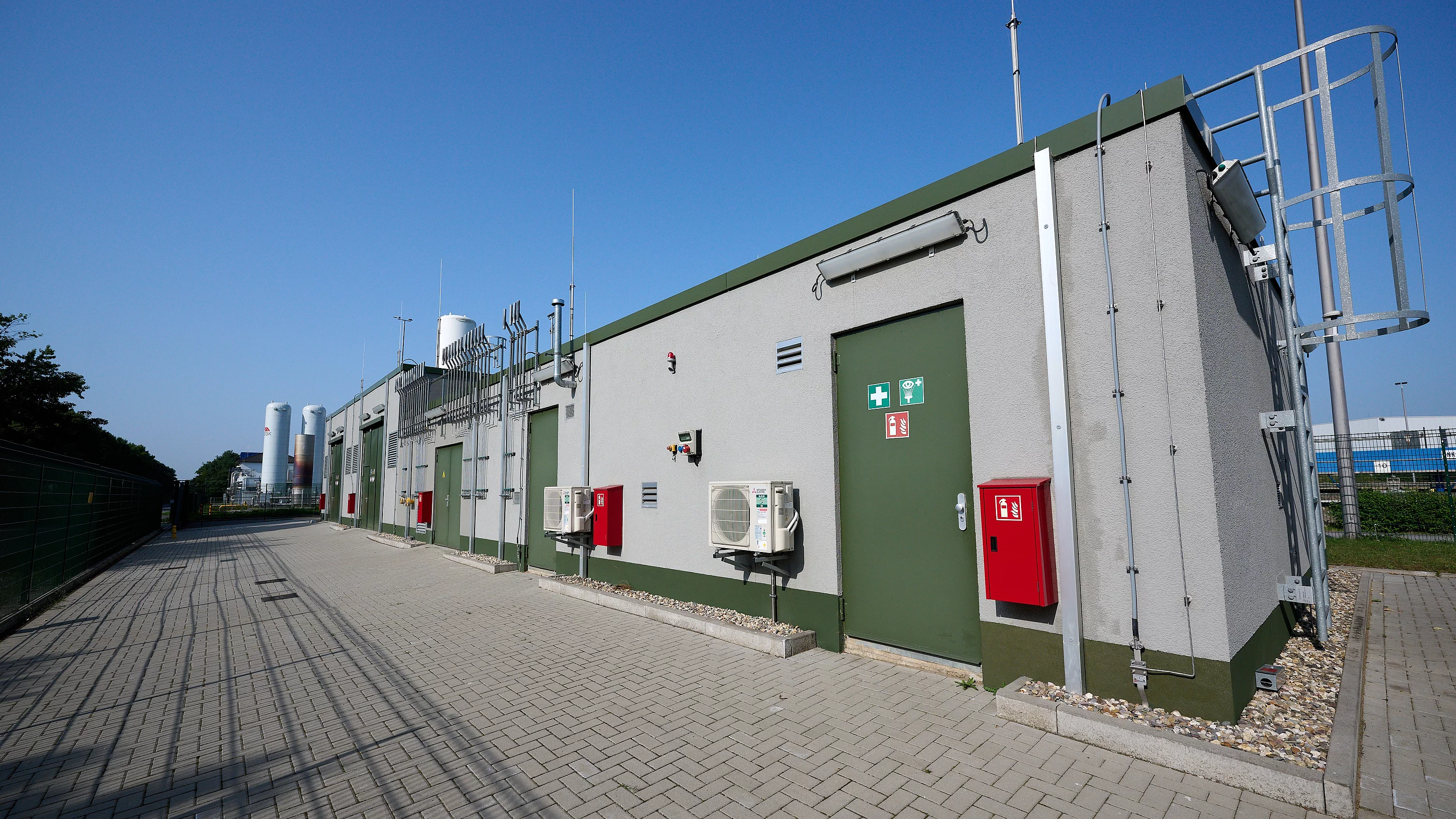
By connecting a biomethane plant to the gas network, biomethane plant operators benefit not only from regional value chains but also from the Europe-wide trade in regionally produced biomethane, thereby significantly expanding their marketing horizons. Already, 26 biomethane plant operators rely on Thyssengas and the efficient injection of biomethane into the Thyssengas network. Nine injection plants are already in operation and a further 17 are currently under development. Further projects, as well as feed-in from upstream distribution network operators into our transmission network, are in the planning stage. One trend stands out in these projects: the volumes of biomethane to be fed into the network per plant are growing steadily, and producers are increasingly prioritising economies of scale and resilience.

The vast majority of the nearly 10,000 biogas plants currently operating in Germany derive their economic benefit primarily from on-site electricity generation using the biogas produced. Once the 20-year EEG feed-in tariff for electricity generated from biogas expires, the entire biogas plant may face decommissioning due to a lack of economic viability. To prevent this and ensure that biogas, a valuable sustainable resource, is not lost, upgrading it to biomethane and subsequently feeding it into the gas grid can be a decisive factor in securing a future for existing production plants.
The requirements of the European Renewable Energy Directive (RED II / III) simultaneously open up the possibility for other market participants outside the agricultural sector to produce biomethane using feedstocks defined as sustainable. At the local level, for example, biomethane from gas processing at sewage treatment plants, the digestion of food and plant waste from households or commercial premises, and even the use of residues from landscape maintenance work offer the opportunity to utilise regional feedstocks and introduce them into the local and European markets. If this potential is harnessed through the consistent expansion of biomethane processing and feed-in, up to 100 TWh of biomethane could be fed into the German gas networks as early as 2030, according to the German Association of Energy and Water Industries (BDEW).
Leveraging interconnected facilities and economies of scale for low costs and high resilience
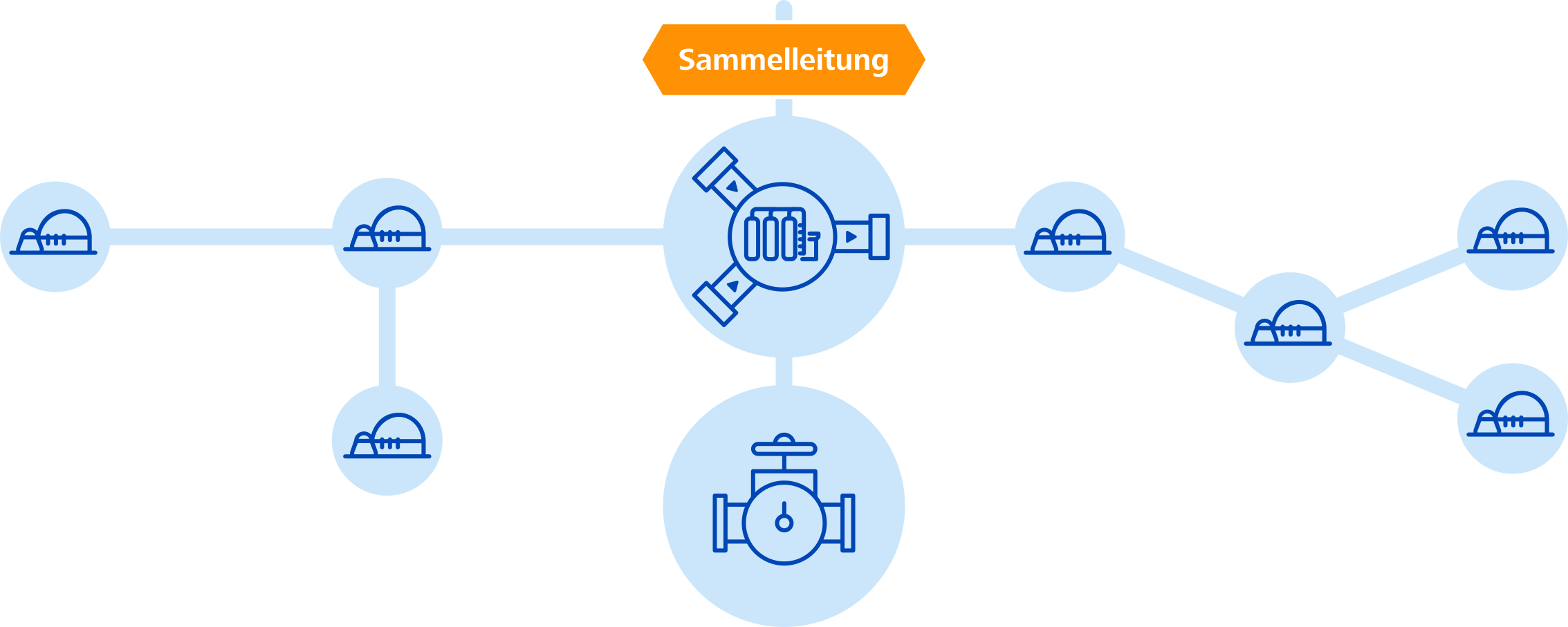
Reaching the goal via the collector pipeline. The phasing out of EEG subsidies and the switch to biogas feed-in, including a processing plant, initially entail additional investment. However, what may seem uneconomical for individual producers can be made viable through a consortium of producers by sharing the costs. In this scenario, individual producers connect their raw biogas plants via a collector pipeline and jointly transport the raw biogas to a central processing plant near the gas network. Exploiting economies of scale reduces the financial burden on each producer connected to the collector pipeline and increases the economic viability of the biomethane supplied. In addition to this option, the bundling of feedstocks within a regional area with centralised biogas production and biomethane processing also represents an economical and scalable option. By implementing a large number of feed-in plants based on collection pipelines or feedstock bundling, Thyssengas can contribute its own experience to new projects and provide support. Please feel free to contact us.

Connection application
To find the best solution for your gas supply, Thyssengas offers you comprehensive support right from the start. Together with you, we will develop a roadmap that sets out, step by step, how you will gain access to Thyssengas’s infrastructure. From the application stage right through to commissioning, Thyssengas will guide you through the entire process.