Biogas is produced during the natural decomposition of organic material in the absence of air (anaerobic digestion) or, increasingly, through thermal gasification. It consists largely of methane and carbon dioxide and, when not purified, is referred to as raw biogas. Under the Energy Industry Act (EnWG), landfill gas, sewage gas and mine gas are defined as biogas alongside gas from biomass. Hydrogen and synthetic methane, which are predominantly produced using renewable energy sources via electrolysis, also fall under this definition according to the EnWG.
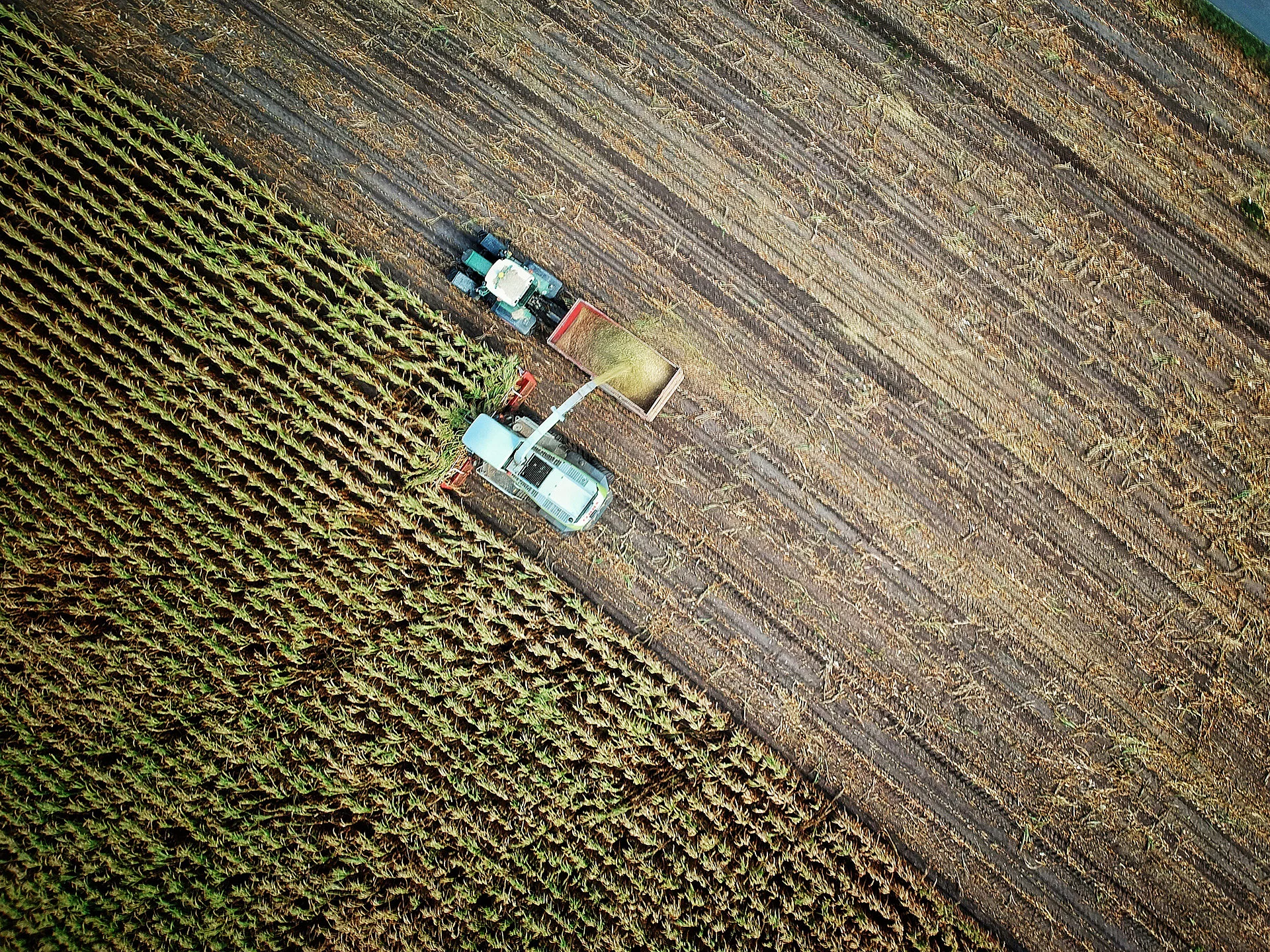
How is biogas turned into biomethane?
The raw biogas produced in the biogas plant’s digester is fed into a gas treatment plant. Gas treatment increases the methane content of the raw biogas by removing carbon dioxide, sulphur and other impurities, thereby ensuring compliance with the gas quality standards set out in DVGW G 260. Following this process step, the raw biogas is referred to as biomethane.

How does biomethane enter the Thyssengas transmission network?
Thyssengas takes delivery of the biomethane from the biogas processing plant at the inlet to the biogas injection facility. We compress the biomethane to the pressure required by the local network and inject it into the transmission network. The biomethane fed into the network in this way can be withdrawn at any exit point on a net basis. This enables biomethane producers to market their product across Europe and allows biomethane customers to use it economically and efficiently. Furthermore, we also use biomethane within our own transmission network as fuel gas for compressor stations.
When is biomethane considered sustainable?
The majority of biogas is produced by using various feedstocks in the biogas plant’s digester. The biomass used must meet the conditions set out in the European Renewable Energy Directives II and III (RED II and III) in order to be considered sustainable under the legislation and to be classified as climate-neutral. The relevant feedstocks are specified and defined in detail in Annex 9, Parts A and B of RED II and III; according to these, farm manure and biogenic residues and waste materials in particular are considered advanced feedstocks. These include, amongst others, manure, slurry or sewage sludge, as well as straw, biogenic municipal or industrial waste and catch crops.
What specifications must the biomethane meet in order to be fed into the gas network?
The biomethane must comply with the gas quality standards set out in DVGW G 260. This technical standard defines limit values for constituents and trace elements such as sulphur and oxygen. In addition, combustion properties such as the Wobbe index, calorific value and relative density are specified. These specifications determine the requirements for the processing of raw biogas at the point of injection.